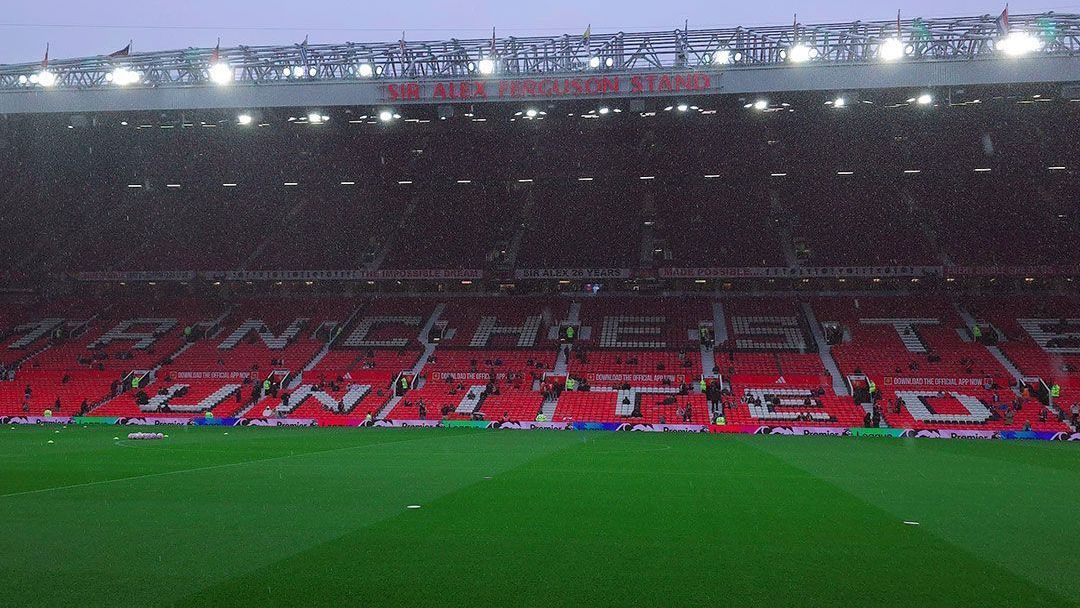


FIFA has stopped communicating with American host cities asking for promised one million dollar grants following the recently concluded World Cup tournament. While FIFA estimates that revenues from the tournament could reach up to 15 billion dollars, local host committees are left tallying millions of dollars in public expenditures.
The situation was reported by sports media outlet The Athletic. FIFA President Gianni Infantino previously announced that the organisation would give one million dollars to each host city of the 2025 Club World Cup in the United States for social projects. Representatives from host committees for the 2026 World Cup stated that they received verbal assurances from FIFA leadership that they would receive matching grants for social projects during their longer and more expensive tournament.
Host cities have not received the funds, and FIFA chose to remain silent when asked for comment by the portal. Organising committee directors expressed frustration, questioning why an organisation generating billions delays paying relatively small sums to cities that subsidise the event.
Division of tournament revenue and host costs
The financial split leaves FIFA with most revenues, including ticket sales, media rights, sponsorship, marketing, concessions, and parking fees. Meanwhile, host cities pay for transportation, safety, security, FIFA Fan Fest zones, airport traffic management, and tournament vehicles.
To manage these demands, New Jersey raised train ticket prices on the route to MetLife Stadium from 12.90 dollars to 150 dollars just before the tournament began. State officials described the move as a desperate business decision to avoid losing millions spent on extra trains and security.
Public expenses in Kansas City and Missouri
Kansas City spent 86.8 million dollars in public funds to host six matches. The government provided nearly 60 million dollars for security and 13 million dollars for transport support. To secure host status, the state of Missouri waived sales taxes on match tickets, costing the city budget at least 15.6 million dollars in lost revenue.
Private investors also funded local preparations, but total city and state expenditures are estimated at over 200 million dollars. FIFA requirements for hosting six or seven matches included police escorts, dedicated VIP traffic lanes, facility upgrades, and the removal of non-partner branding from stadiums and fan zones.
Economic impact projections versus economic reality
Host obligations are detailed in contracts with FIFA, while the organisation promotes reports forecasting local economic benefits. FIFA's document titled Socio-Economic Impact Analysis of the 2026 World Cup projected 30.5 billion dollars in economic impact for the United States and 185,000 new jobs.
Forbes reported that economists remain skeptical of FIFA's projections because they assume tourist spending is entirely new economic activity rather than displaced spending. Forbes columnists noted that historical data shows host cities experience mixed results, with gains in hospitality and entertainment offset by unclear or negative net profits. CNN analysis indicated that United States tourist traffic rose by only about 0.2 percent during the event, with no clear increase in retail sales.
Host city competition and transparency issues
Eleven United States cities competed to host games: Seattle, San Francisco, Los Angeles, Dallas, Houston, Kansas City, Atlanta, Philadelphia, New York/New Jersey, Miami, and Boston. Cities pursue hosting rights for intangible benefits such as global recognition, civic pride, and long-term tourism, as well as political pressure and competition between neighbouring regions.
Financial losses remain hidden because contracts with host cities are frequently kept secret and organising committees operate as non-profit organisations exempt from public records laws. Across the 11 American host cities, the unpaid one million dollar grants total 11 million dollars.