
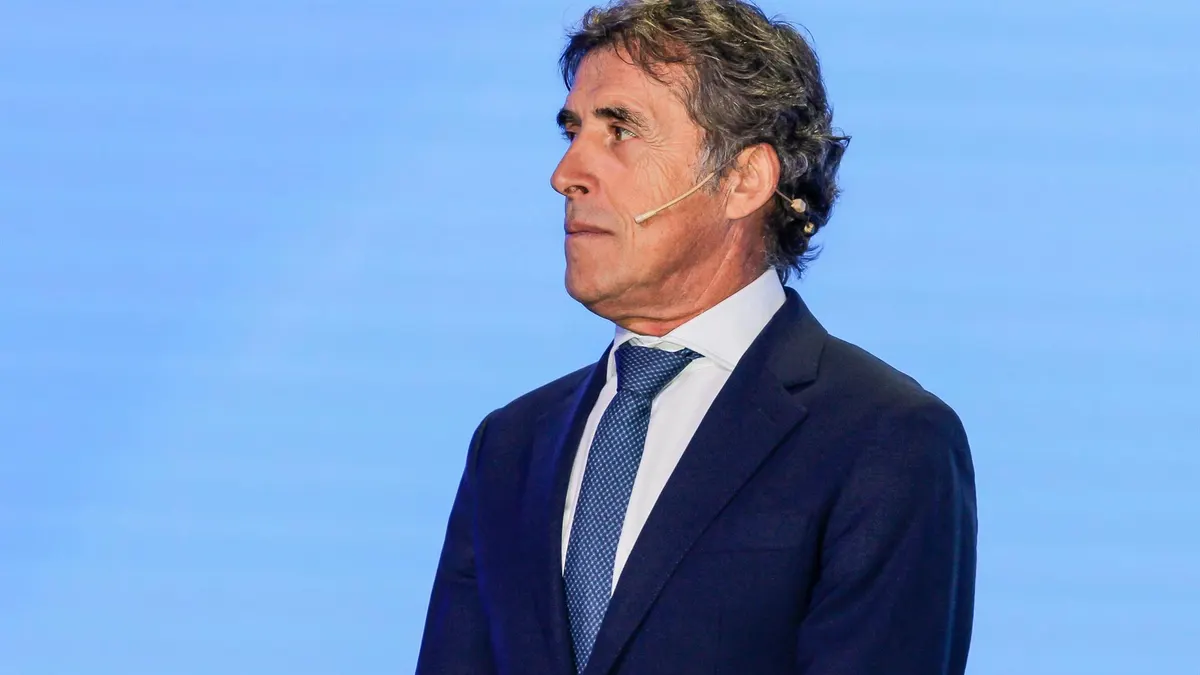
Spanish cycling legend Pedro Delgado has said top professional riders now earn vastly more than the champions of his generation.
Speaking to the Spanish news website El Confidencial, the Segovian former Tour de France winner explained that while winning the sport's premier race still guarantees enduring financial rewards, the wider salaries circulating through the peloton belong to another world.
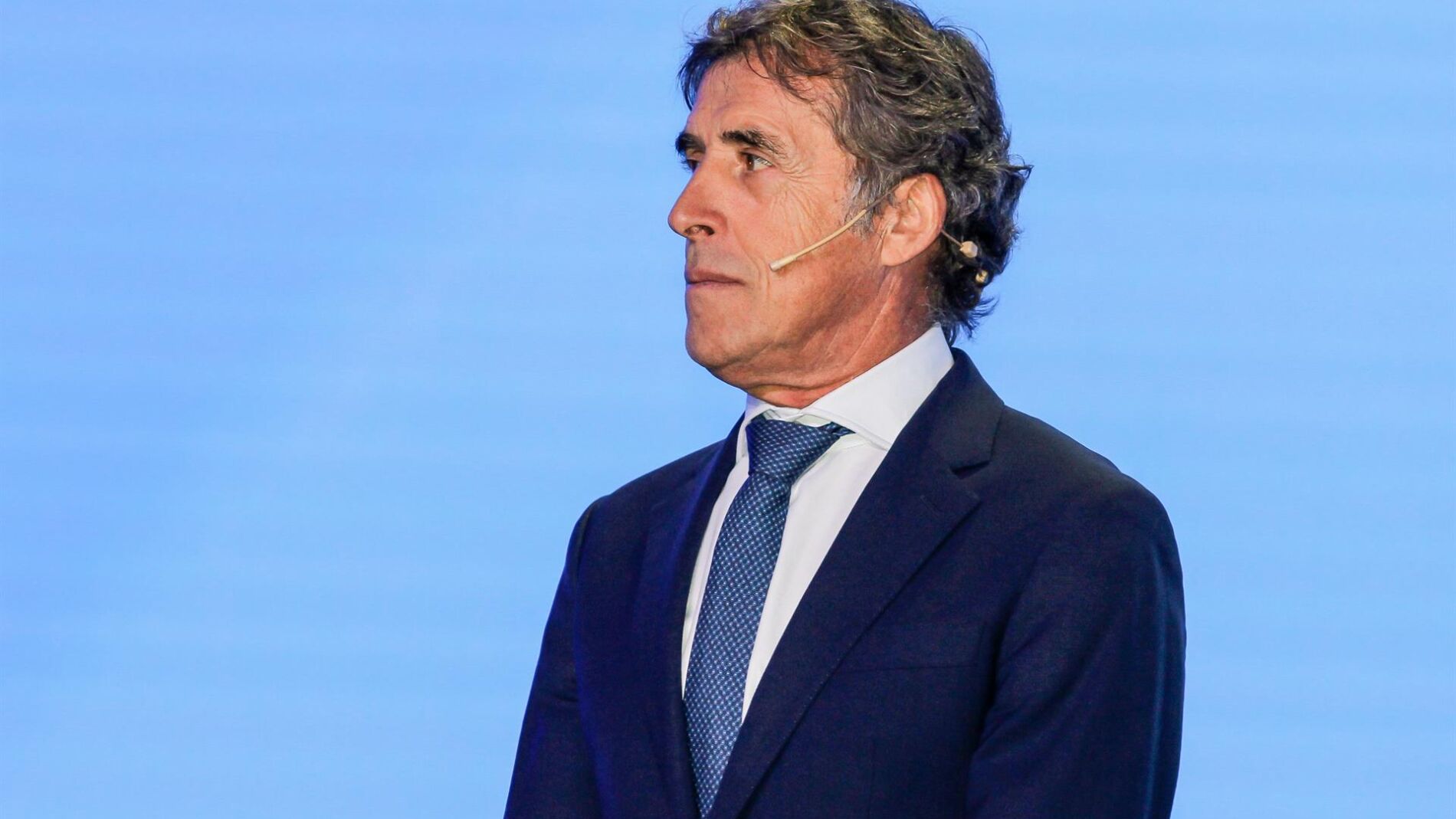
Delgado said that it is a law of life that anyone who reaches the number one spot earns a great deal of money. He pointed out, however, that the general cost of living has surged dramatically over the intervening decades, suggesting that people should imagine trying to live in modern conditions on the wages he earned during his racing days.
When asked whether winning the Tour de France would be just as powerful financially today as it was in his era, Delgado said he had no doubt that it would. He told El Confidencial that the impact of winning the most famous bicycle race in the world does not expire, adding that he knows that reality from his own personal experience.
Financial gap between cycling eras
The financial scale of elite road cycling has expanded dramatically since Delgado competed at the top of the sport. While leading riders in the late twentieth century made substantial livings, modern WorldTour teams operate with massive commercial budgets that allow top contenders to secure multi-million euro annual contracts.
Delgado discussed the financial disparity with the directness of an athlete who lived through the sport's growth firsthand and can measure it against what he observes today. The former champion noted that the sums paid across the modern professional peloton represent an entirely different reality compared to the remuneration of his contemporaries.
Despite that widening gulf in baseline pay, Delgado stressed that the unique prestige of the Tour de France continues to set it apart from all other competitions. The global visibility of the three-week French stage race creates lasting commercial and promotional value that continues to support its winners long after they step off the podium in Paris.
Attacking instinct and peloton drama
Delgado remains one of the most beloved figures in Spanish sporting history, remembered both for his achievements and for his exhilarating racing style. Competing under the popular nickname Perico, he was celebrated as the spark of the peloton because of his pure instinct on the bike.
His hallmark was an aggressive approach on mountain passes, launching sudden attacks at any moment that shattered the peloton and left his rivals watching him pull away uphill. In professional road cycling, the peloton is the main pack of riders who ride closely together to conserve energy until climbers force decisive separations in the mountains.
That explosive aggression came with an unavoidable downside, as Delgado became equally known as the king of blunders. Unexpected mistakes and lapses in concentration turned potential victories into chaotic, nail-biting contests that kept supporters on edge.
Rather than alienating followers, those blunders endeared him to the public. Spanish fans embraced his mistakes as an integral part of his personality, forging a powerful bond rooted in the blend of sporting brilliance and unpredictable human frailty.
Transition to the commentary booth
More than thirty years after his final competitive race, Delgado's name remains closely linked to July afternoons in front of the television. Concluding his racing career did not mean stepping away from cycling, as he quickly found a second calling in broadcasting.
He joined Televisión Española, the Spanish national public broadcaster, where he established himself over several decades as the signature commentator for Tour de France broadcasts. His presence in the booth extended his relationship with Spanish sports viewers across multiple generations.
Delgado brought the same warmth, approachable language, and clarity to race analysis that he had displayed on the road. For millions of viewers, listening to him break down a mountain stage in the Alps or Pyrenees became just as natural as watching him attack on the climbs twenty years earlier.

Pioneering legacy for Spanish cycling
Delgado is widely recognized as the pioneer who sparked the modern resurgence of cycling in Spain. Before his triumphs, the Tour de France was largely viewed by the Spanish public as a foreign event rather than a national fixture.
By animating the French race and turning it into a mass spectacle, Delgado transformed the Tour into a summer ritual that whole families gathered to watch together. He cleared the path that later allowed Miguel Indurain to dominate the sport, paving the way for Indurain to capture five consecutive Tour de France titles in the 1990s.
That pioneering role remains among the most significant aspects of Delgado's legacy. While professional cycling today commands vastly higher salaries and global commercial power, Delgado proved that the enduring connection between an athlete and the public relies on character, daring racing, and unforgettable drama.