
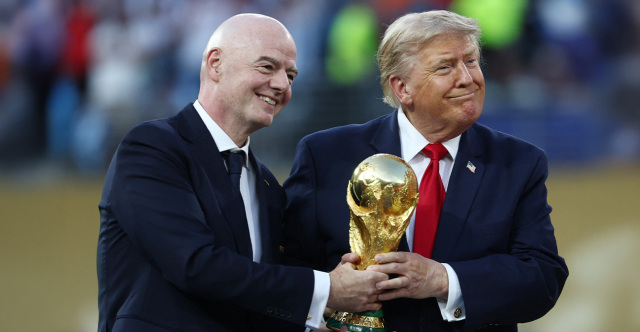
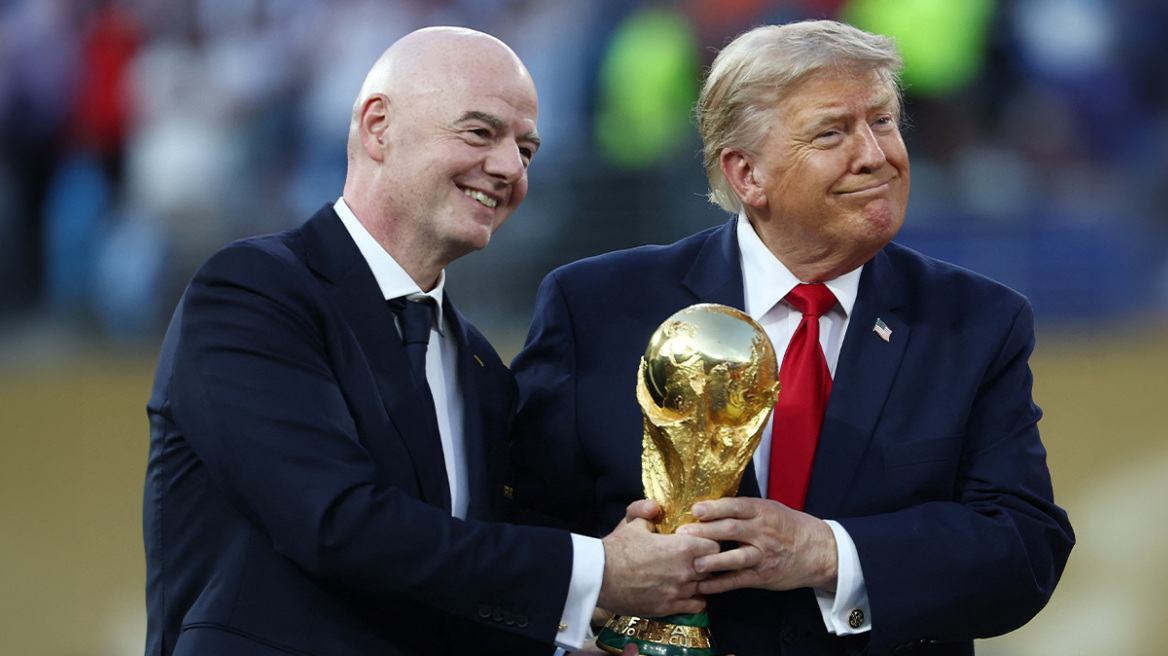
A wave of opposition has engulfed FIFA after a Times report revealed that president Gianni Infantino intends to exploit the World Cup commercially through a subsidiary company, with UEFA, the European Union, and multiple confederations all issuing sharp condemnations of the plan.
The majority of the global football community regards the proposal as a straightforward sell-off of the sport's flagship tournament to private investors whose sole objective is profit, according to the source article.
FIFA's deadline and funding threat
The Times added new details, revealing that FIFA has set a deadline of September 19 for national federations to signal their support for the proposals. Federations that do not comply have been warned that the payments they receive from FIFA will be dramatically reduced. The ultimatum drew immediate condemnation from individual federations and from continental confederations that aligned themselves with UEFA.
UEFA's response
UEFA was the first to respond publicly, reposting the original Times article and publishing a pointed statement on social media. The European governing body said it had learned about the deadline FIFA imposed on federations and noted that, after speaking with multiple stakeholders across world football, it was aware of significant and growing opposition to the plan.
UEFA said FIFA could not continue using the sport to enrich itself and its associates, and called for football to be developed in the right way, with federations, clubs, leagues, players and supporters given priority. UEFA's 55 member federations are set to hold an emergency videoconference meeting this week to discuss FIFA's plans, with the focus expected to fall on what collective action to take next.
EU commissioner intervenes
EU Sports Commissioner Glenn Micallef entered the debate with a series of posts on X, stating that the World Cup remained the greatest sporting tournament on the planet despite FIFA exploiting every commercial opportunity, but adding that there was a limit. He said the relentless commercialisation of football had become corrosive and threatened the very qualities that had made the sport the most popular in the world, concluding that commercial success must strengthen football rather than consume it.
Micallef said particular concern arose when FIFA's regulatory powers became aligned with the financial interests of private entities, because the value of those investments would then depend on FIFA's own decisions, raising deep questions about governance, independence and conflicts of interest.
The commissioner also warned that the proposals raised significant competition law considerations. He noted that EU courts had consistently recognised that sporting rules are subject to EU law where they produce economic effects, and said the European Commission would carefully examine the proposals within the scope of its powers under the Treaties. Micallef added that he supported UEFA and stakeholder calls for greater scrutiny, and urged every national association to engage in meaningful discussions with leagues, clubs, players and supporters before taking a position.
Confederations push back
CONCACAF, the confederation covering North and Central America, said it had only become aware of the matter through media reports and a subsequent press release. The confederation said it was deeply concerned by the lack of due process and shared the disappointment felt by many in the region and across the sport that the project had been designed and made public before any discussion with the relevant governance bodies and stakeholders. CONCACAF said every decision taken by FIFA and the confederations must be guided by good governance, robust procedures and long-term stewardship of the game.
The Asian Football Confederation described the plan as concerning and said it was disappointed that a matter of such significance had been announced without its opinion being sought.
European clubs body demands governance reform
The European Football Clubs organisation, chaired by Nasser Al-Khelaifi and representing more than 850 clubs, said it was monitoring with great concern the sudden, unilateral press conferences and FIFA's announcement about a possible new corporate structure for commercialising certain football competitions. The EFC said an organisation representing that number of clubs should have been fully consulted on a proposal of such magnitude, yet had learned of it in the same way as most other stakeholders: without warning and through the media.
The EFC urged all parties to remain calm and called for thorough consultation on all matters affecting the football ecosystem, alongside the implementation of stricter and more transparent governance procedures to protect the sport in the long term.