
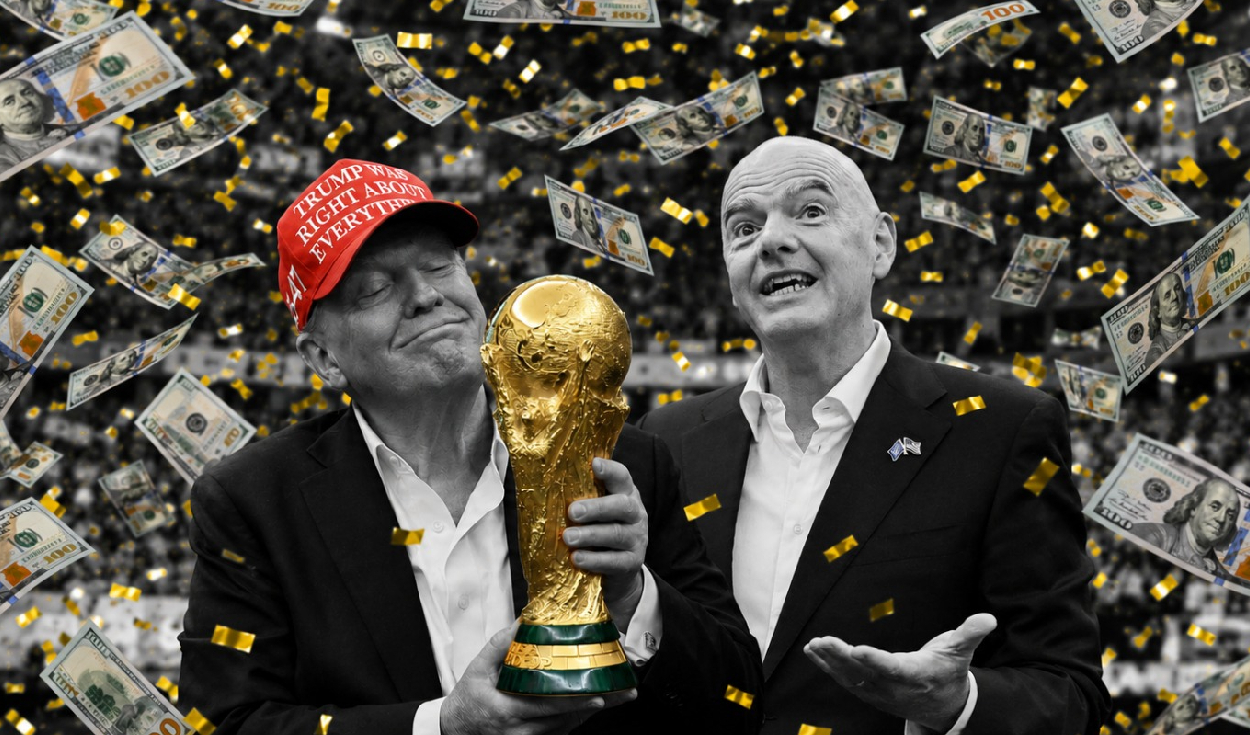
FIFA president Gianni Infantino has dropped a secret plan to privatise commercial operations for the World Cup after facing a fierce boycott threat from UEFA.
The proposed transaction involved selling a 20 per cent stake in a new commercial subsidiary to Thrive Eternal, a private investment fund linked to the family of Donald Trump, for 4 billion dollars.
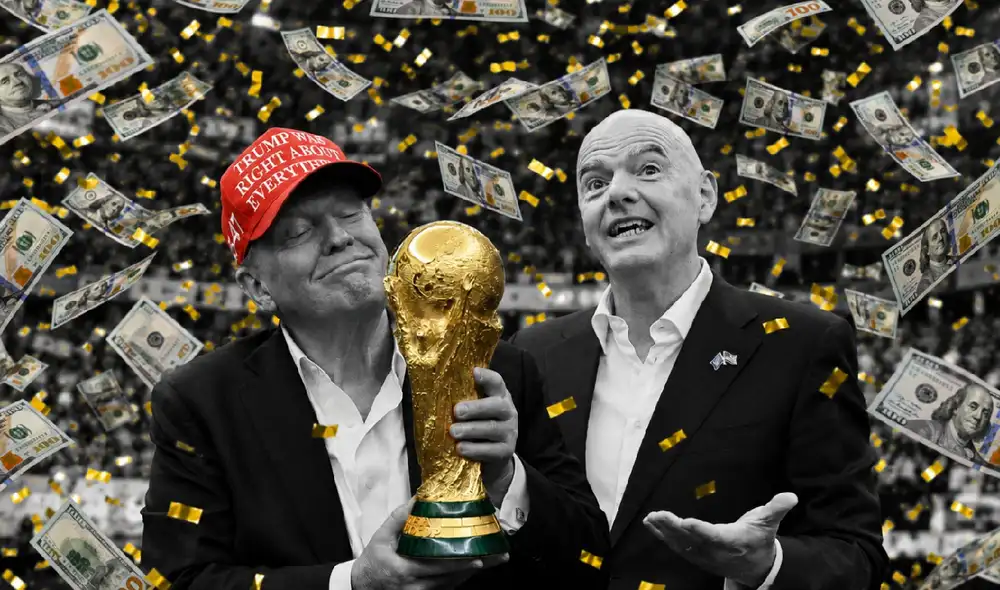
According to an exclusive report by British newspaper The Times, Infantino intended to split off all broadcasting rights, event management, and commercial operations for both the men's and women's World Cup tournaments into a new subsidiary named FIFA Forward Enterprise.
The macrostructure was given an initial valuation of 20 billion dollars. Under the plan, FIFA sought an immediate 4 billion dollar cash injection by placing a 20 per cent holding in FIFA Forward Enterprise into the hands of private investors.
The private equity vehicle chosen to lead the deal was Thrive Eternal, a long-duration investment fund managed by Joshua Kushner. Joshua Kushner is the younger brother of Jared Kushner, the son-in-law of Donald Trump who served as a senior advisor in the White House.
The close relationship between Infantino and Trump had previously drawn attention during recent footballing events in the United States. The Times reported that the transaction would also have guaranteed Infantino a permanent post as director of FIFA Forward Enterprise after his FIFA presidential term finishes in 2031.
In that post-presidential directorship, Infantino was slated to receive an annual salary of approximately 64 million dollars. The potential earnings would match the salary paid to National Football League commissioner Roger Goodell in American sports management.
Proposed tournament expansions and calendar changes
To convince Wall Street investors to inject billions of dollars into international football, FIFA prepared technical drafts outlining radical modifications to the global competition calendar.
The draft plan called for expanding the men's World Cup to 64 national teams starting with the 2030 tournament, introducing additional commercial matches. The draft also revived a previous plan to hold the World Cup every two years rather than maintaining the traditional four-year interval.
Additionally, the proposal featured structural changes to international club competitions, establishing a permanent Club World Cup format designed to secure continuous annual broadcasting revenue.
To secure quick approval across FIFA's 211 member federations, Infantino set an ultimatum deadline of September 19 for a vote. Under the proposal, member associations voting in favour of the privatisation would see their development grants doubled from 20 million dollars to 40 million dollars.
Federations voting against the plan would receive only the base grant of 20 million dollars. Opponents of the initiative characterised the financial voting incentive as an attempted institutionalised bribe.
European football opposition and boycott threat
The privatisation proposal sparked immediate resistance from European football leadership. The 55 national associations that comprise UEFA held a virtual emergency summit and voted unanimously to oppose Infantino's initiative.
Following the summit, UEFA president Aleksander Ceferin stated that no individual or institution owned football and that the sport was not the property of FIFA to sell.
Javier Tebas, the president of Spain's La Liga who serves on the UEFA executive committee, joined Ceferin in resisting the proposal. UEFA issued a statement declaring that the initiative crossed a line that football governing bodies should never cross.
The European governing body declared that it took the situation very seriously, calling on all national associations, domestic leagues, clubs, players, supporters, and national governments concerned about the future of football to oppose the deal.
Major European footballing nations, including Spain, France, Germany, and England, warned that they would pull out of international tournaments if the privatisation plan went ahead. A withdrawal would have halted the 2030 men's World Cup, scheduled to be co-hosted by Spain, Portugal, and Morocco, as well as the 2027 Women's World Cup in Brazil.
The unified boycott threat mounted by UEFA, European clubs, and allied confederations forced FIFA to capitulate and immediately withdraw the project.