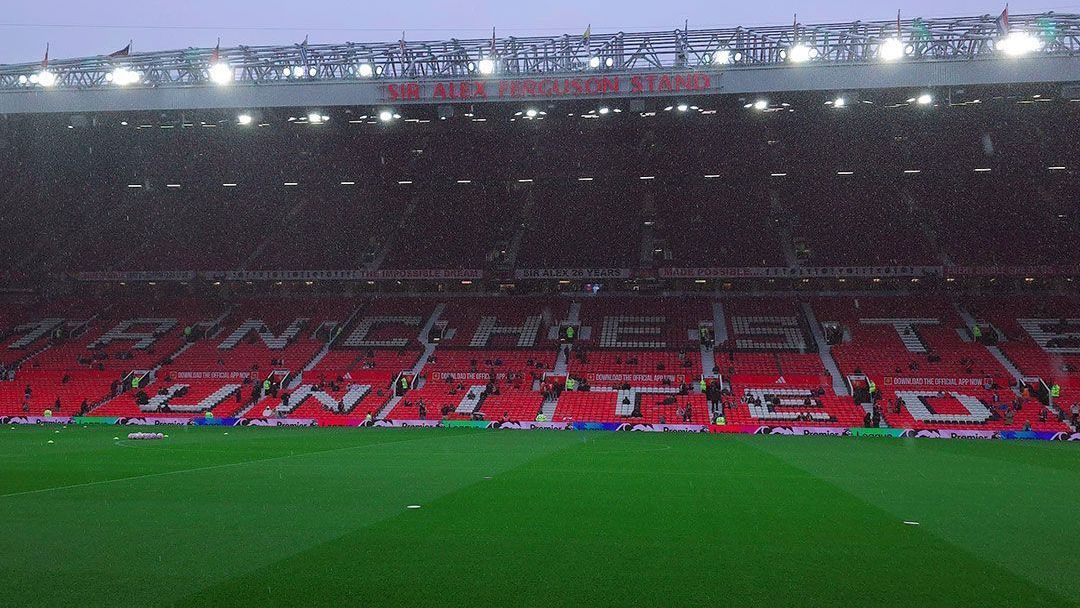


Ireland defeated Israel 3-0 in a contentious UEFA Nations League football match on September 27 that triggered angry reactions from Israeli players and cabinet ministers.
Israeli captain Manor Solomon launched a sharp critique of the Irish team following the final whistle, accusing opponent players of speaking inappropriately on the pitch, disrespecting the Israeli national anthem, and demonstrating open hostility toward his squad.
The Nations League fixture, which kicked off at 6:45 p.m. GMT, had been preceded by intense controversy and calls for a boycott from within Irish football over the ongoing conflict in Gaza. On the pitch, protocol measures announced a day earlier by the Football Association of Ireland (FAI) were strictly implemented, including a complete refusal to exchange pennants or shake hands prior to the game.

Irish captain Dara O'Shea declined to shake hands with Solomon during the pre-match captain gatherings. The Irish squad also wore black armbands throughout the match, which FAI Chief Executive Officer David Courell confirmed the previous day were worn in memory of all lives lost in the conflict.
During the national anthems, Irish players lowered their heads while the Israeli anthem played. Solomon dismissed the gesture after the game, stating that he was unconcerned by their behavior because Israel remained a far stronger country with a great population that would endure and win the upcoming rematch.
Israeli captain vows revenge in return match
Addressing the post-match atmosphere, Solomon stated that the Irish players clearly hated the Israeli team and that the bad feeling was entirely mutual.
He added that while he preferred to limit his public comments, expressing his true thoughts about the Irish team would likely result in a multi-match suspension from governing bodies.
Solomon is an international winger for Israel who plays club football in top European leagues, while O'Shea is a defender for the Republic of Ireland. The UEFA Nations League is a biennial international competition run by UEFA, the governing body for European football, which groups European national teams into competitive divisions.
Tensions had escalated hours before kick-off when Israeli Foreign Minister Gideon Sa'ar published a statement on social media platform X criticizing the Irish national team.
Sa'ar referenced a 1939 friendly match in Bremen where the Irish team made a nazi salute, asserting that the current Irish squad was standing on the side of Palestinian terrorism and claiming that the black flag of jihadism hovered over their armbands.
Irish squad divided over Gaza boycott calls
The match took place after weeks of uncertainty over whether Ireland would participate. Goalkeeper Gavin Bazunu refused to play in the match to denounce the genocide in Gaza, stating publicly that the killing of innocent people was unacceptable.
Bazunu's refusal forced Irish team management to make an urgent late adjustment to the official match sheet, placing a defender into the squad as an emergency replacement.
Prior to the game, players held an emergency meeting at the hotel of the Green and White Army to outline their stance, agreeing to wear black armbands, forego pre-match handshakes, and decline post-match media interviews.
The political atmosphere around the match also put pressure on Irish midfielder Finn Azaz, whose grandmother previously served in the Israeli military. Following widespread calls for a full boycott of the fixture, Azaz considered retiring from international football.
Second fixture scheduled in neutral territory
Israel has competed as a member association of UEFA since 1994, participating in European Championship qualifiers, World Cup qualifying groups, and Nations League tournaments.
Due to regional security conditions, UEFA regulations mandate that Israeli home matches must be staged at neutral venues in third-party countries.
The two teams are scheduled to face each other again on October 4 in Serbia for the return Nations League fixture, where both sides are expected to maintain their respective political stances and protocol decisions.