

Kevin Keegan's Hamburg shirt from the 1977 European Super Cup match against Liverpool has sold at auction for £84,500.
The sky-blue and white adidas jersey had been valued at between £2,000 and £3,000 by BUDDS auctioneers before bidding rapidly escalated.
The number 7 shirt was preserved as part of a collection owned by Keegan's former Liverpool team-mate Emlyn Hughes. Hughes, who died in 2004, received the shirt in a swap following the second leg of the European tie.
The shirt features a v-neck style collar and an embroidered Hamburg club badge. The sale came just months after the football world was plunged into mourning over the death of Keegan, who was regarded as one of the greatest players of his generation.

The 1977 European Super Cup
The 1977 European Super Cup brought together Liverpool, Keegan's former club, and his new German side Hamburg. Keegan had only recently departed Merseyside to move to the Bundesliga.
Hamburg secured a 1-1 draw in the first leg of the competition. However, Keegan endured a difficult return to Anfield in the second leg, where Liverpool defeated his new team 6-0 in his first match back at the stadium since his departure.

Hughes, who captained Liverpool during that successful era, swapped shirts with Keegan after the final whistle. The jersey remained in Hughes' personal collection for decades.
Auctioneers had placed a modest pre-sale estimate on the item. But intense competition among collectors drove the final hammer price to £84,500, reflecting Keegan's lasting status among supporters.

Trophies with Liverpool and Hamburg
Keegan began his playing career at Scunthorpe United in 1968, before manager Bill Shankly signed him for Liverpool.
During a six-year spell on Merseyside, Keegan won seven major trophies with Liverpool. His silverware haul included three league titles and one European Cup.
Ever ambitious, Keegan signed for Hamburg in 1977. During his three-year spell in Germany, the 5ft 7in Englishman earned the nickname Mighty Mouse from the fans.
Keegan helped Hamburg win the German league title in 1979 and reached the 1980 European Cup final, where his side were beaten by Nottingham Forest.
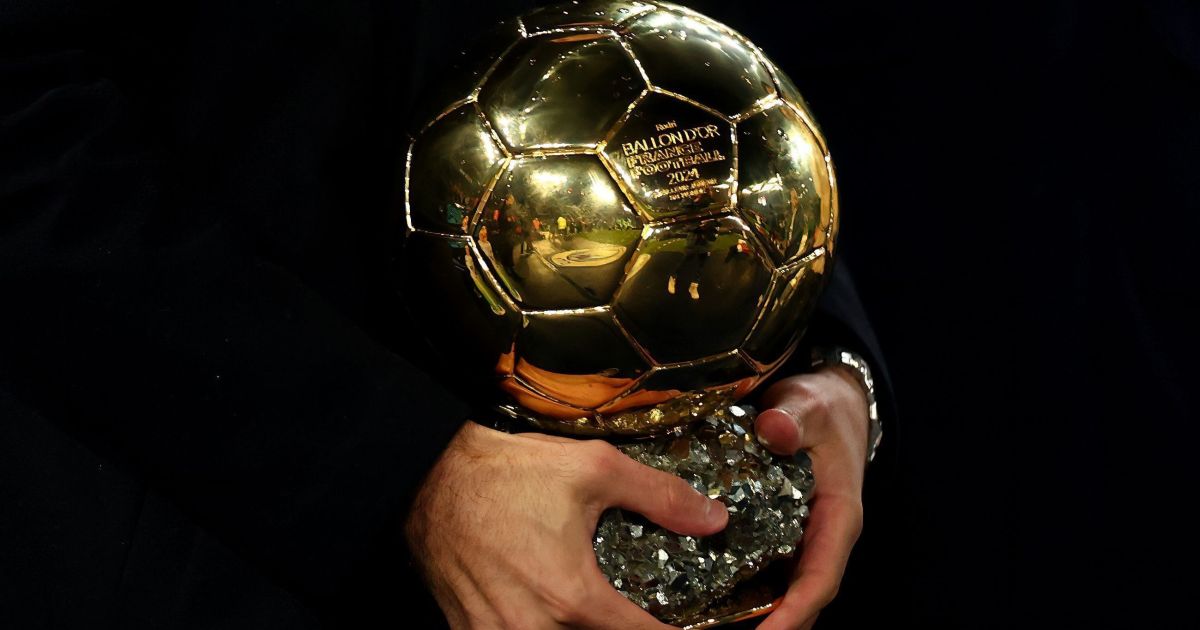
His time in Germany confirmed his world-class credentials. Keegan won the prestigious Ballon d'Or as Europe's best footballer in both 1978 and 1979.
England career and Newcastle management
The following year, Keegan made a surprising move to Southampton before finishing his playing career with Newcastle United. A deep love affair with Geordie supporters was born during Newcastle's 1984 promotion-winning campaign.
At international level, Keegan made 63 appearances for England and captained his country more than 30 times. His only World Cup tournament came in 1982, where his playing time was limited to an injury-scarred appearance.
In 1992, Keegan took his first step into management by taking charge of former club Newcastle. He guided the team into the Premier League and came within touching distance of the 1995-96 title before missing out to Manchester United.
Keegan left St James' Park in January 1997. A brief stint at Fulham followed before he was named England manager in 1999, having initially taken on the job following Glenn Hoddle's departure.
After overseeing a disappointing Euro 2000 tournament, Keegan resigned on the back of a defeat by Germany at Wembley Stadium. The match was the last fixture played at the national stadium before it was rebuilt.

Tributes at St James' Park
After his spell with England, Keegan managed Manchester City for four years before returning to Newcastle for a brief second managerial spell.
Following his death, an extraordinary sea of flowers surrounded St James' Park as supporters gathered to pay tribute to the man known as The Messiah.
Newcastle released a moving statement at the time to express their grief and remember his contribution to the club.
"We are devastated to learn of the passing of Kevin Keegan, one of the most iconic, influential and deeply loved figures in our club's history," the club wrote.
"Kevin was more than a legendary footballer and manager. He was the beating heart of Newcastle United for generations of supporters."