

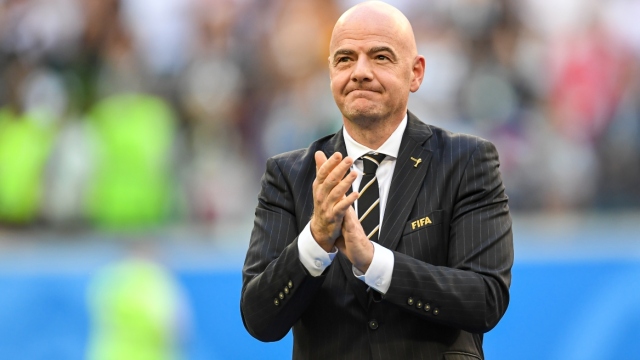
More than 90 of FIFA's 211 national federations are now opposed to president Gianni Infantino's plan to hand commercial rights over its tournaments to private investors, according to a Sky News report, in what observers are describing as the gravest crisis of his decade in charge.
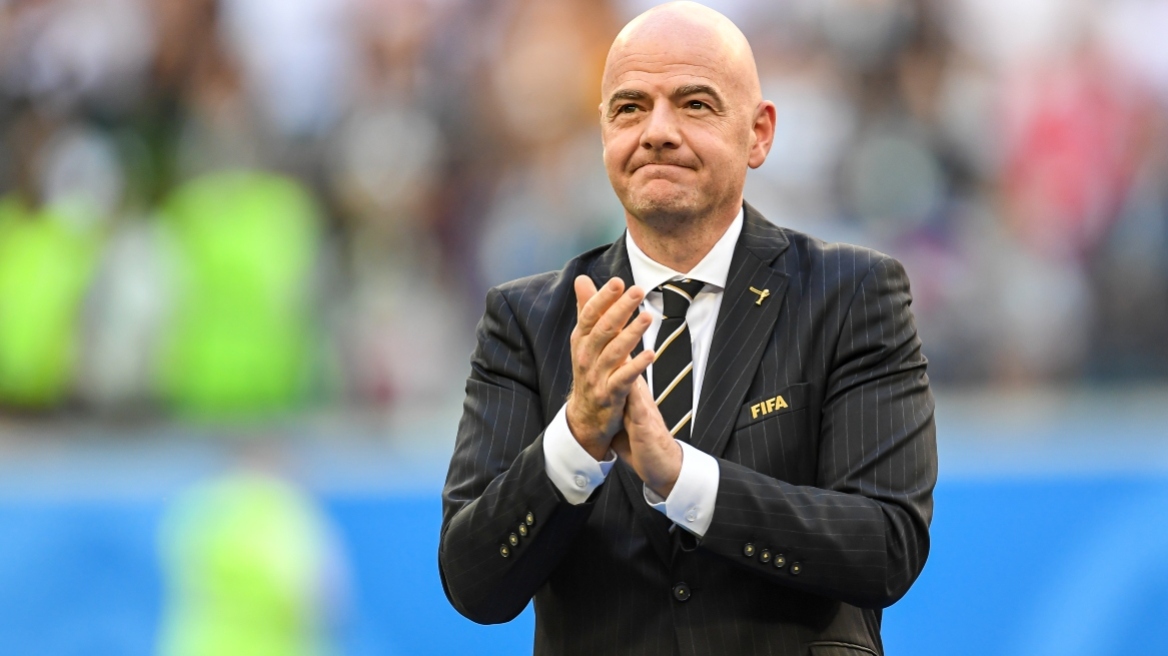
The opposition crystallised after CONCACAF, the confederation covering North and Central America and the Caribbean, formally rejected the scheme following an emergency video conference of its member associations. The move added 41 federations to a bloc already led by UEFA, whose 55 members had voted unanimously against the proposal days earlier.
UEFA fires the opening shot
UEFA issued one of its most forceful statements in years, unanimously rejecting any transfer of ownership interests in the World Cup or other FIFA competitions to private parties. The confederation said that none of its 55 member associations would take part in FIFA tournaments for as long as the plan remained active, unless it was fully withdrawn and binding guarantees were provided that it would not be revived.
The English Football Association aligned itself with UEFA, stating that the World Cup belongs to football and always will.
CONCACAF raises the pressure
CONCACAF's rejection targeted the scheme by its working name, FIFA Football Enterprise, or FFE. The confederation raised serious concerns about the absence of proper institutional procedures, the tight deadline imposed on federations to respond, and the fact that the proposal had not been passed through FIFA's own governing bodies.
CONCACAF also questioned why private capital was being sought at all, given that FIFA holds significant financial reserves following what the source describes as the most profitable World Cup in the organisation's history.
Although CONCACAF stopped short of adopting UEFA's boycott threat, at least for now, Sky News reported that a majority of its 41 member associations had already lost, or were in the process of losing, confidence in Infantino.
What the plan requires
According to documents cited by Sky News, all 211 FIFA member associations have been given until 19 September to decide whether to participate in the FFE structure. Those that do not sign on risk losing funding worth $86 million over the following twelve years.
FIFA's position is that FFE would take over the management and commercial development of its competitions with the aim of increasing revenue. The presentation circulated to federations references plans to expand the portfolio of tournaments, to use loan financing for investment in digital platforms and broadcasting rights, and argues that FIFA's competitions remain commercially underexploited when compared with the Premier League and the major North American sports leagues.
Federations object to the process, not just the plan
The revolt has moved well beyond a dispute over business models. According to the source, the reaction of the federations centres as much on how the proposal was pushed forward as on its substance, and on the broader question of whether an institution like the World Cup can be opened up to private investment at all.
Sky News reported that the view gaining ground inside international football is that Infantino may not be able to survive the crisis, with support for him declining rapidly. The source notes that discussions about what comes next have already begun, with CONCACAF president Victor Montagliani emerging as one of the figures who could contest the FIFA presidency if developments force a leadership change.
Biggest test since 2016
For the first time since he took office in 2016, Infantino is facing opposition of this scale and coordination. Previous challenges to his authority were largely confined to Europe; the current wave stretches across multiple confederations.
If the resistance continues to grow, the debate will no longer be limited to the future of FIFA Football Enterprise. It will extend to the future of Infantino himself at the head of world football's governing body.


