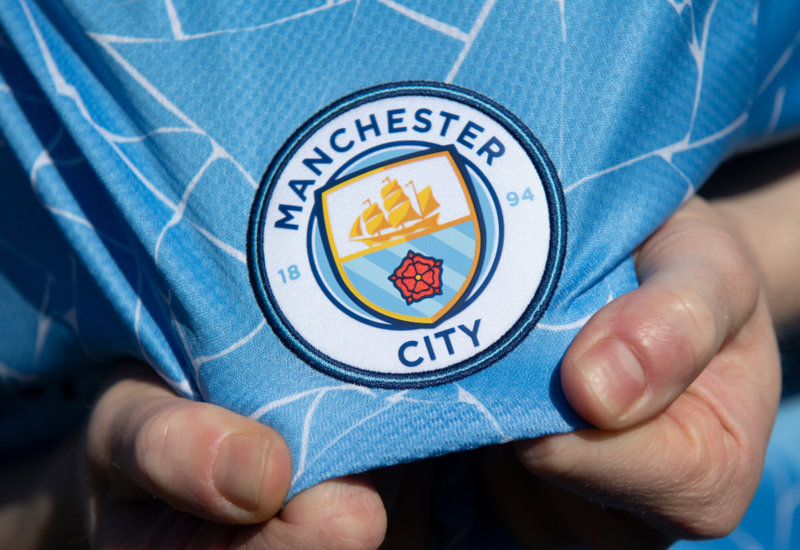
They did a whole study and found out that the boats on the United and City emblems symbolize suffering and pain. And we didn’t know!
The desire to interpret history in one’s own way is increasingly observed abroad. Sometimes it takes the most strange forms. For example, there is a proposal… to change the logos of football clubs so that they do not refer to the bad past.
Sounds ridiculous!
Symbol of oppression
The idea was put forward by The Guardian columnist Simon Hattenstone. In his column, he dismantled the logos of two “Manchester” – “United” and “City”. The journalist found a three-masted sailboat on them and called it an excuse for slavery. Allegedly, the boat has nothing to do with football: all that it represents is money, suffering and pain.
“The product of slavery is so subtly ingrained in our culture that we celebrated it on our club badges without even realizing it,” Hattenstone wrote in an op-ed for The Guardian.
The journalist conducted a mini-research and found that three-masted ships were actively used in the middle of the 19th century. They transported raw cotton, which was collected by slaves in Latin America and the Caribbean. One of the weaving mills where the cargo was processed was in Manchester.
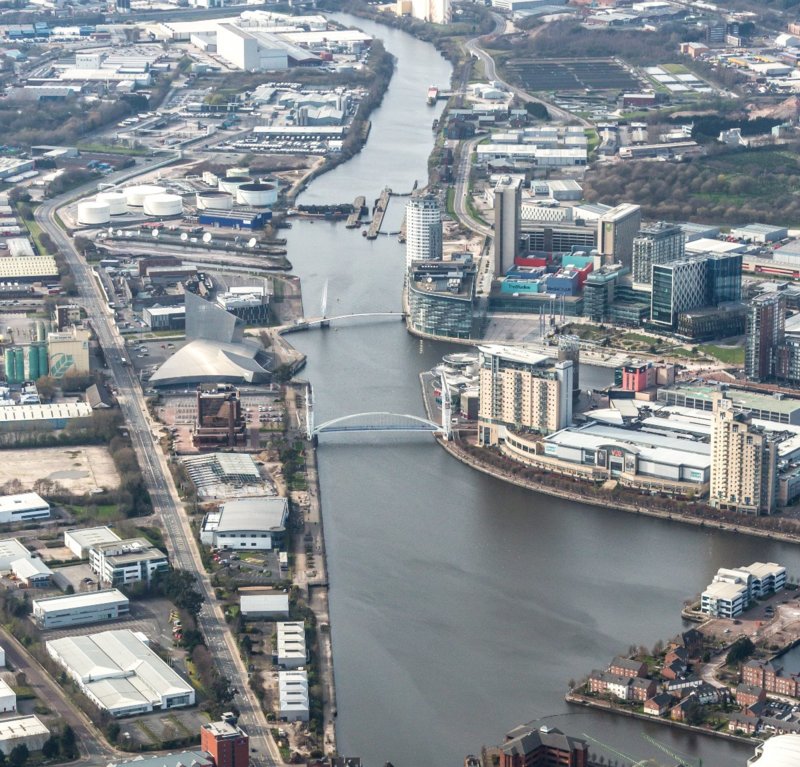
It is believed that the boat on the coat of arms of the city, as well as on the United and City logos, is a reference to the local shipping canal, which was built at the end of the 19th century. However, Hattenstone does not believe in this version.
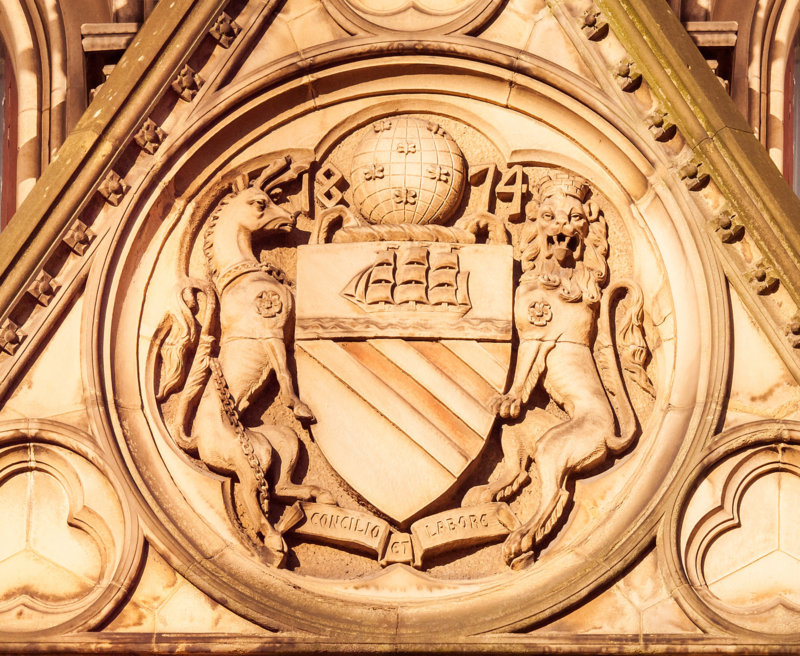
– Yes, this story makes sense, but it is not true. The ship was taken from the city coat of arms. The shipping canal has no association with slavery, but the coat of arms of Manchester does, says the journalist in the column.
A bee instead of a ship
What are you supposed to do? Simon Hattenstone, for example, suggests removing the boat from everything, including football logos. Its place should be taken by a bee, which, by the way, is already on the Manchester coat of arms.
“Nothing else captures the spirit of Manchester so well. The bee symbolized hard work in a good way, teamwork, solidarity, creativity, nature, fertility, prosperity and generosity. All the good things in the world are collected in a bee, the columnist writes in the article.
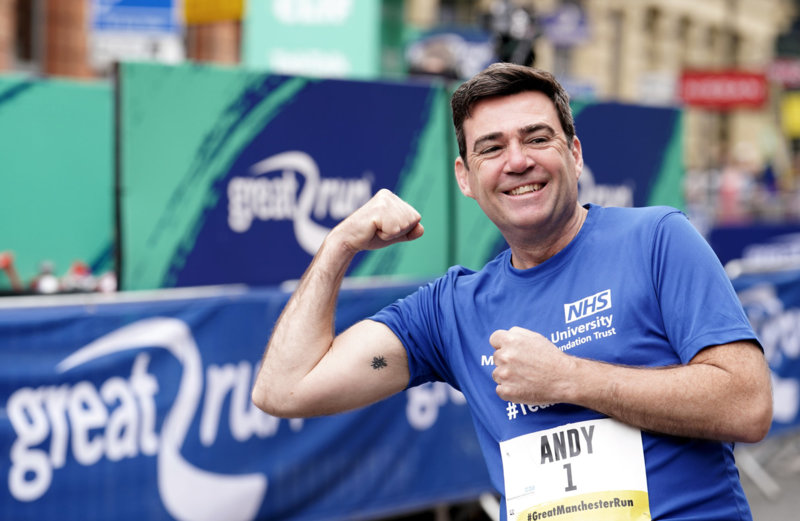
The journalist, by the way, is supported by the mayor of Greater Manchester Andy Burman. He even got a bee tattoo. True, the politician is in no hurry to abandon the ships in the city’s symbols.
“It’s not for me to mess around with our club badges or the council coat of arms. My job is to help create a positive identity for Greater Manchester, and I hope the bee image will help that,” Burman was quoted as saying by The Guardian.
In turn, both Manchester football giants – both United and City – did not comment on the situation.
“The ship is a symbol of trade”
The idea is very strange and outrageous, and it is clear that not everyone liked it. For example, some historians have said that the whole situation is reminiscent of the saying “make an elephant out of a fly.”
“Slavery is a cruel thing that countless people have suffered, that cannot be denied. But that is in the past. Should United and City, as well as the city itself, change their emblems and coat of arms in order to calm someone down? I think not, says historian Ian McCartney, quoted by the Daily Mail.
He is echoed by another researcher, Jonathan Schofield.
The ship is a symbol of free trade. The idea of equality is that people will have the same rights in doing business. That’s what a ship means, ”The Guardian quotes Schofield.
And indeed. Slavery was in the distant past. Now ships are not identified with some bad things – these are simple badges on coats of arms. Why look for hidden meanings in them?
Not only on logos
But Simon Hattenstone does not let up.
– To abandon the ship means to recognize its essence and show knowledge of the history of the city. To replace it with a bee is to demonstrate our humanity, not our ability to oppress. What could be better than just redesigning the city coat of arms and football logos? – the journalist writes in his article.
Interestingly, the epic with the Manchester ships did not begin today. Back in 1993, local activists raised the issue of replacing sailboats with bees. But then the city council decided that the boat “has nothing to do with the slave trade.”
And one more nuance. The three-masted tower still adorns many of the city’s old buildings. In particular, it flaunts near the entrance to the University of Manchester, on the building of the Corn Exchange and on the facades of some hotels. Will you order them to be reconstructed too?